The Thrift
The Thrift is an imprecisely defined area of land, lying mainly in the north of the parish of Therfield, Herts, which includes Thrift Farm and Thrift Hill. However, it extends into the adjoining parishes of Steeple Morden, Litlington and Kelshall, so is within the counties of Cambridgeshire and Hertfordshire.
The origin of the name Thrift is unclear. Some sources suggest it is the Middle English word Thrift, derived from Old Norse and meaning “thriving”, “prosperity” or “vitality”. This seems unlikely for an area of chalk downland, not especially suited to cultivation of crops. Then there is the opposite meaning “frugality” “prudence” in the sense of land that produces little, although this meaning of thrift did not come into general use until the 16th century.
In The Place-Names of Hertfordshire, early versions of The Thrift, include le Frythe, Fryth 1575, le Frithway 1625 and it is suggested that these are derived from an Old English word meaning “wooded country”. This is possible as the area was part wooded as late as the 19th century.
However, in the same publication the origin of Therfield, the parish in which The Thrift is located, is suggested as Ther from an Old English word meaning “withered” or “dry” and referring to an open stretch of dry, treeless country. Rather contradictory and uncertain!
The nature of the land suggests that either “wooded ground” or “frugal ground” is possible, but most likely it is simply that farming on the chalky soil it was difficult to produce generous, substantial crops, hence the land was thrifty?
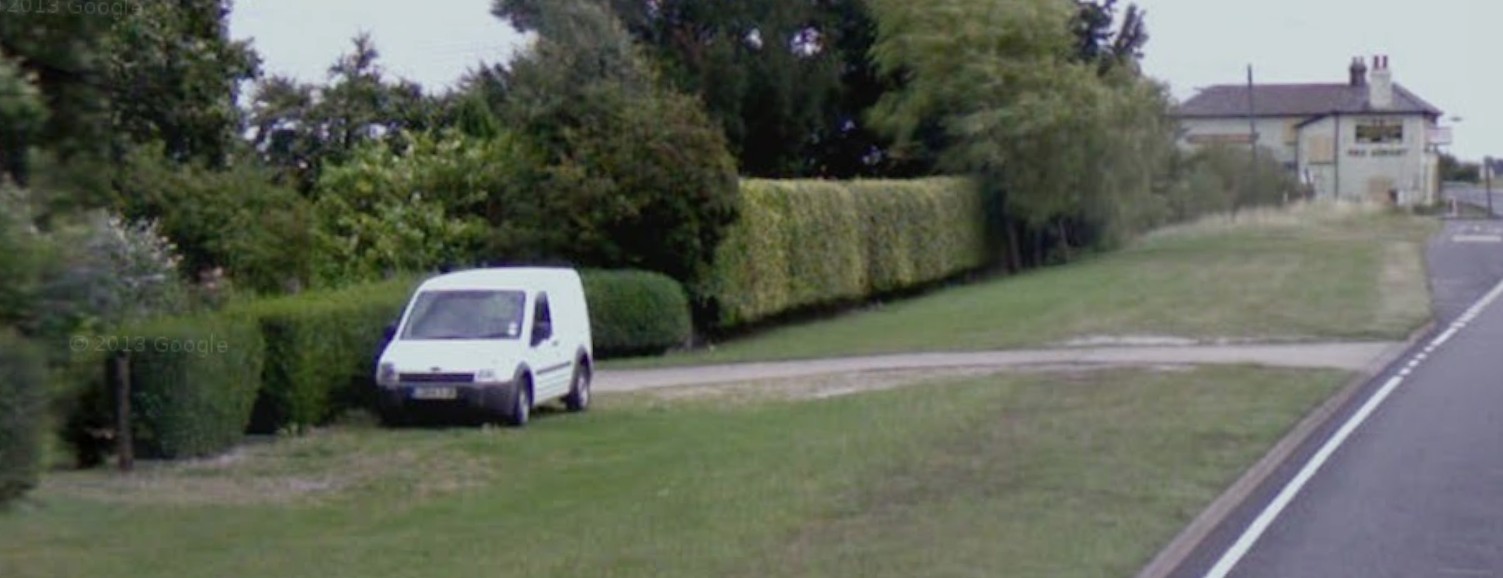
The Thrift aka Horse & Groom

The Thrift aka Horse & Groom PH – Litlington and Steeple Morden
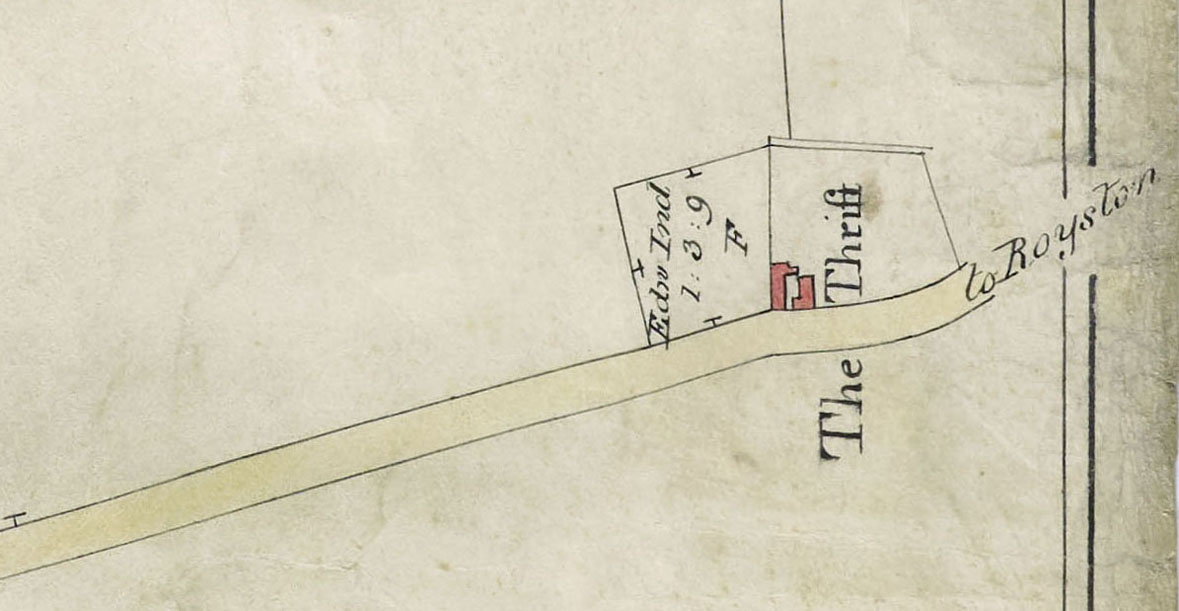
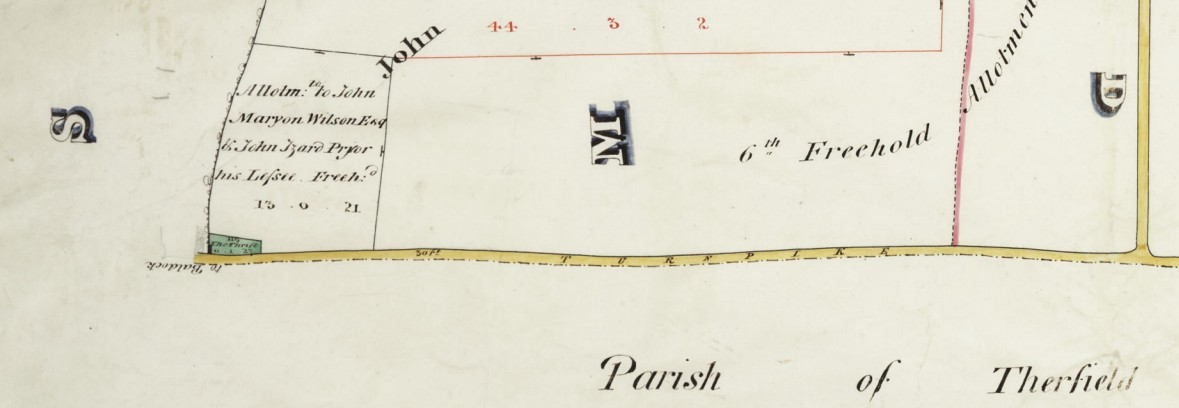
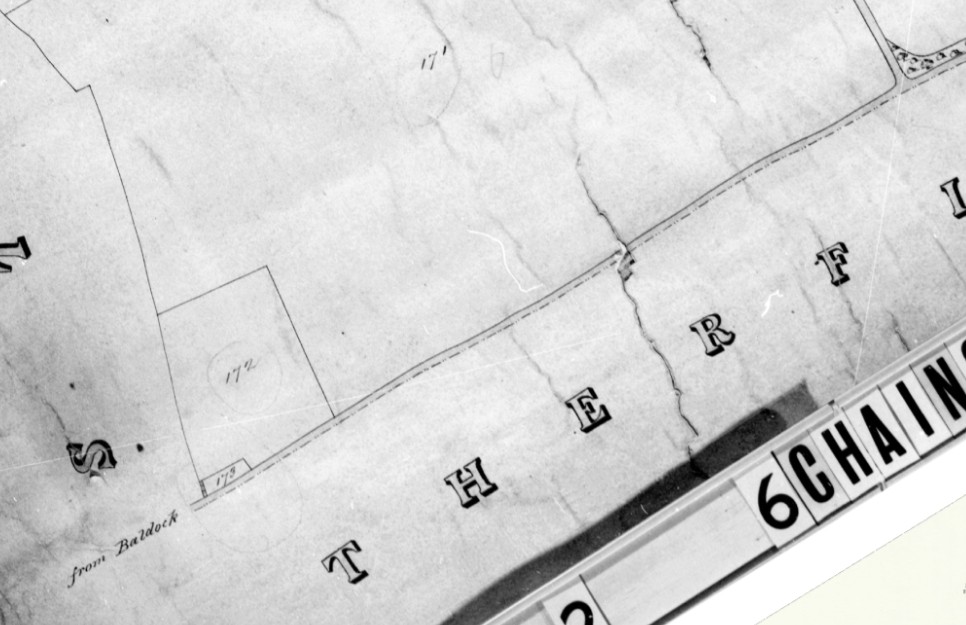
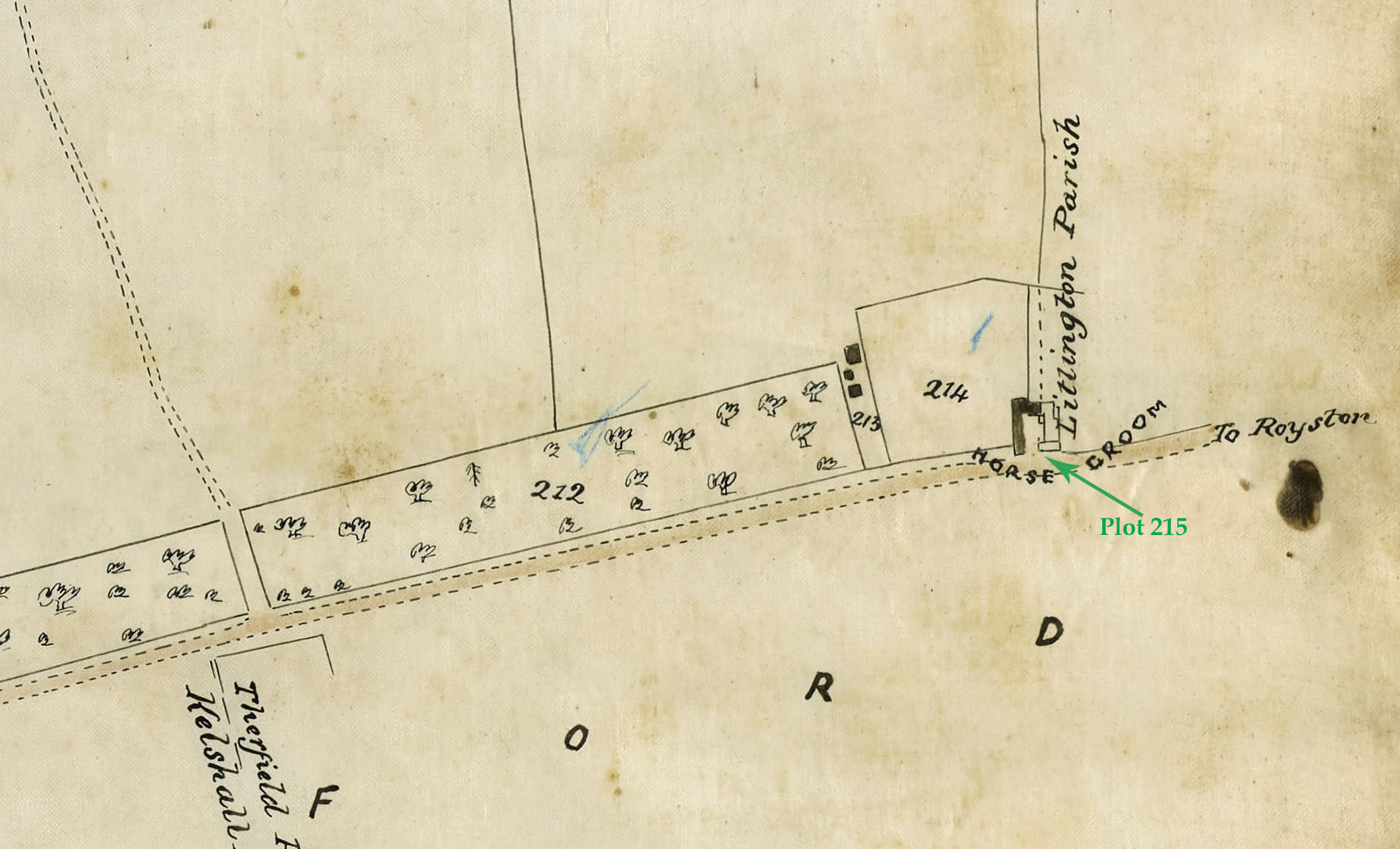
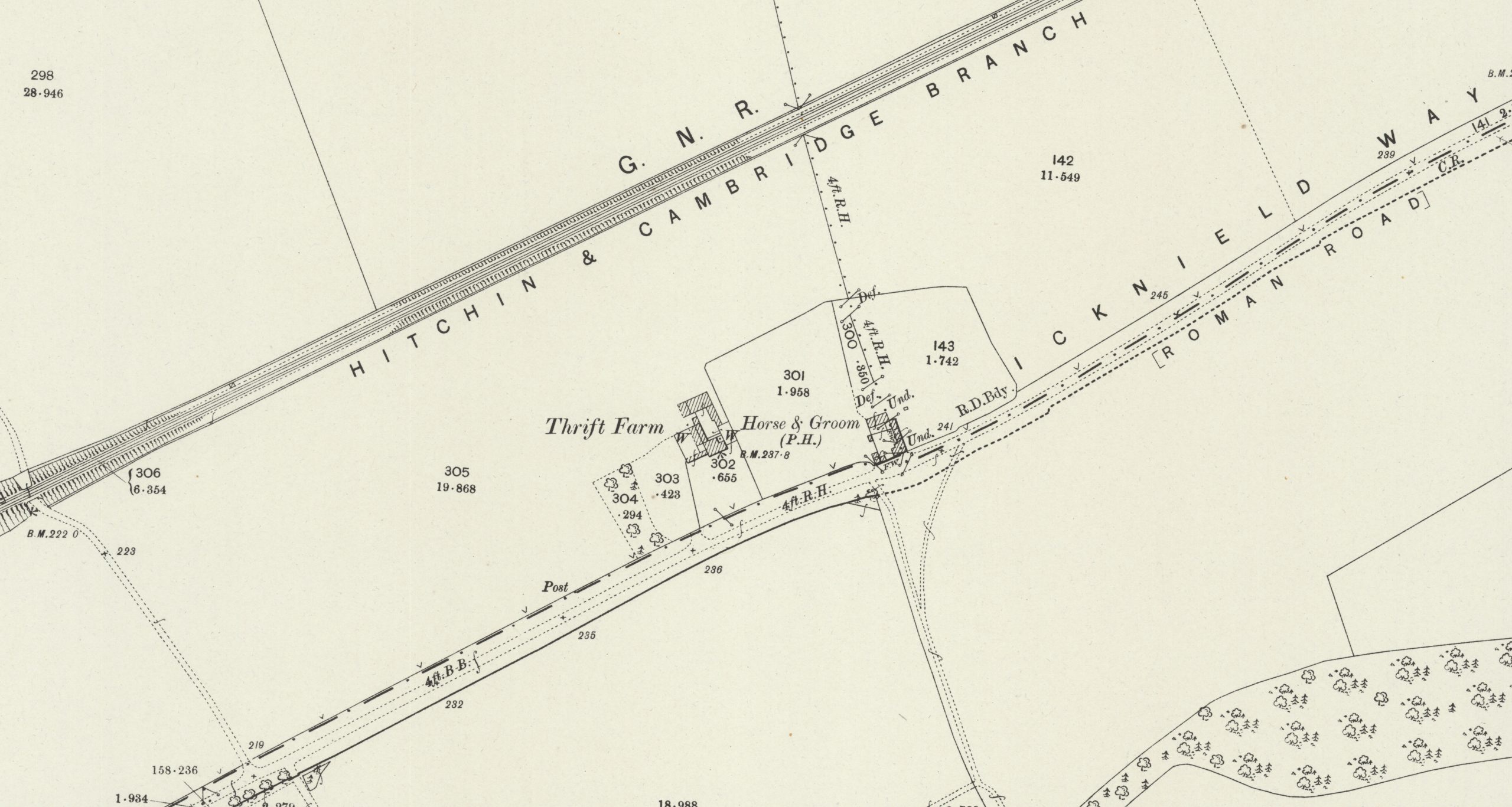
The Icknield Way, a major east-west route, became locally in 1769 the Baldock to Royston Turnpike and about 1780 an inn was built on the north side of the Turnpike, probably by James Ind, brewer, of Ashwell and Baldock. It was built on land primarily in Litlington, but on the west it appears to have just straddled the boundary between Steeple Morden and Litlington. See below the enclosure maps for Litlington 1830 and Steeple Morden 1817. The inn became known as The Thrift or Thrift House. Situated just under 6 miles from Baldock and 2¾ miles from Royston, it appears to be the main establishment, between the two towns, offering refreshment and a resting place for those travelling this ancient road. The inn, later given the name Horse & Groom, closed in 2005 and was demolished in October 2024. Visit Horse & Groom for its history in more detail.
Thrift Farm across the field
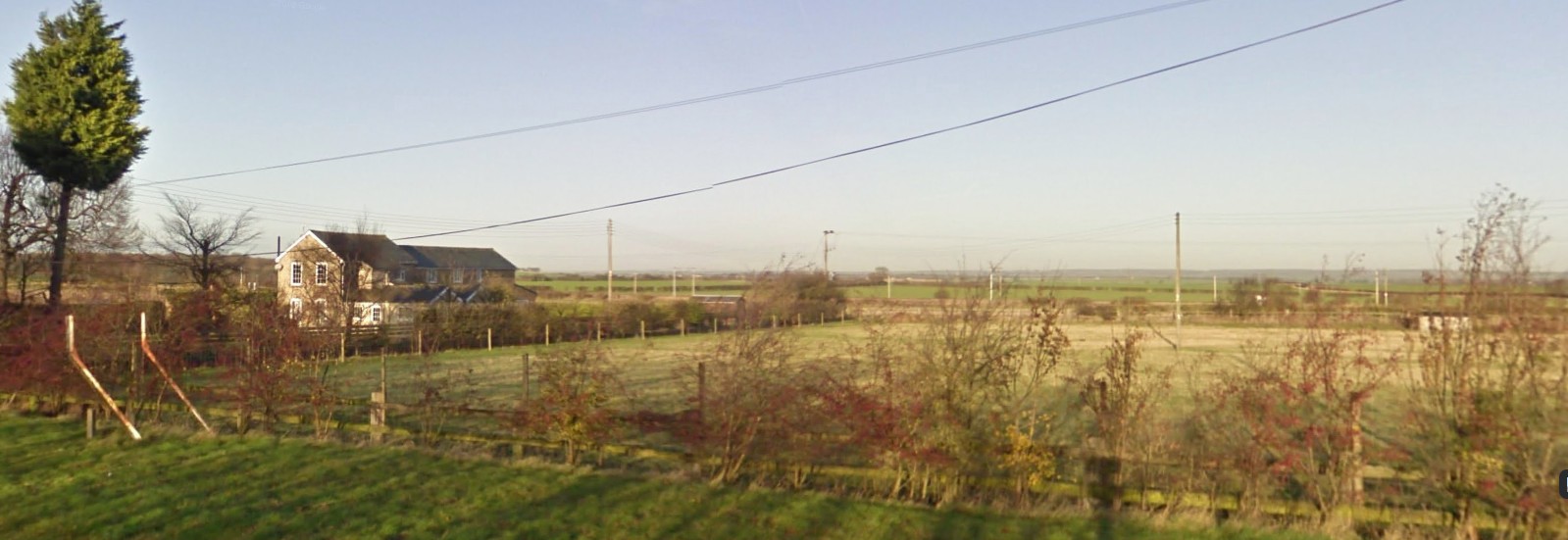
Thrift Farm
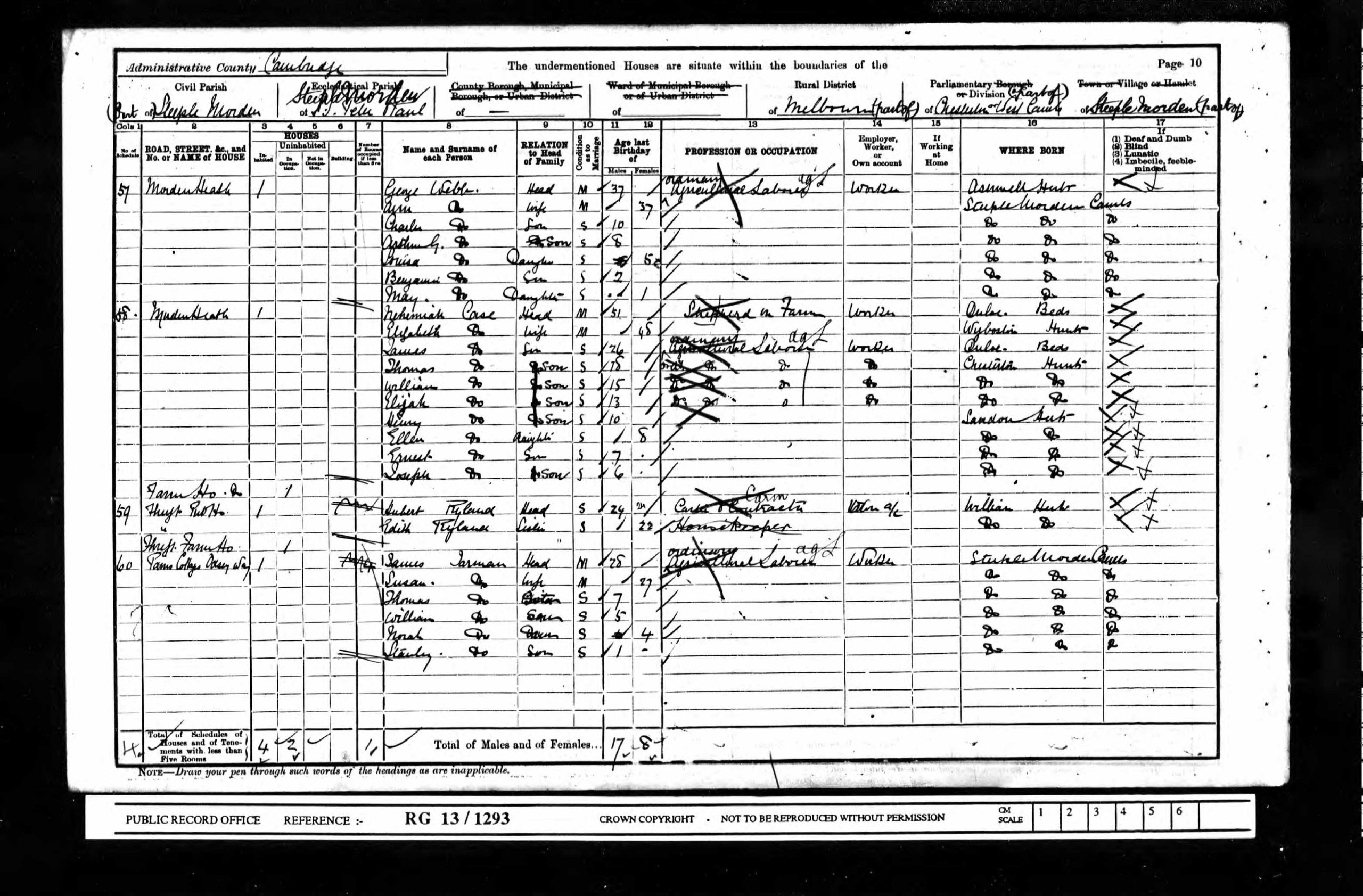
Later on adjoining land, wholly in Steeple Morden and in different ownership was built Thrift Farm. This appears to be a small-holding carved out of the Wimpole Estate. It does not appear in the Enclosure Award, other than as an unreferenced part of a large Allotment to the Earl of Hardwicke and its earliest specific appearance is in the Tithe Apportionment in 1839, as a small plot number 213 described as cottage and garden measuring 38 roods and let to George Field. In the Rowley, Son and Royce surveyors notebooks for 30 September 1876 Thrift Farm and Red Cross Farm, Steeple Morden, valuation from John Pearman [Pearmain] to J.W. and T. Westrope (pp.59-62). This is for farming stock and crops and not any land. The Westropes were tenants of Morden Heath Farm part of the Earl of Hardwicke’s Wimpole Estate.
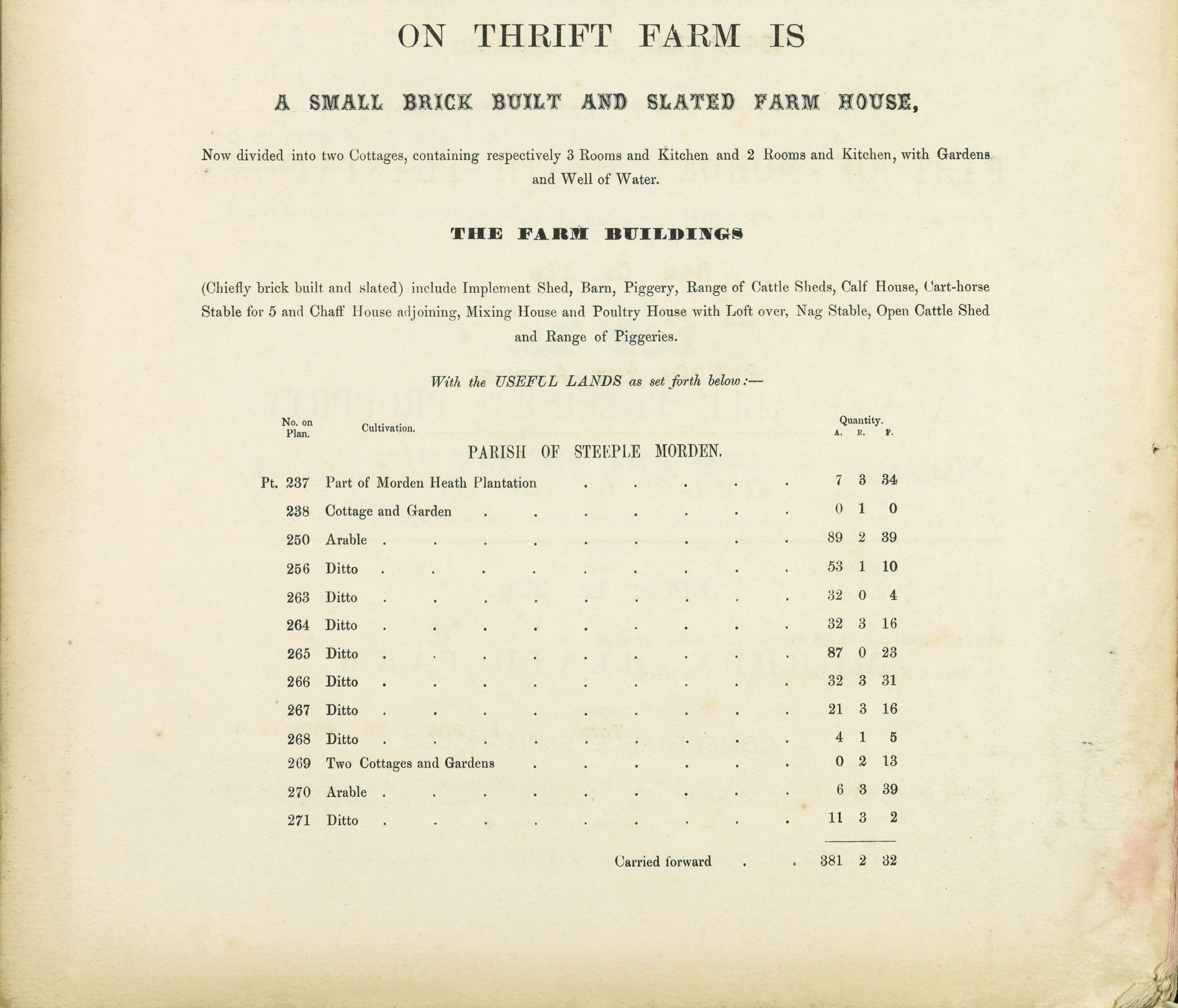
In the 1891-92 Wimpole Estate Sale Particulars Thrift Farm is included as part of Morden Heath Farm. There is a description of the farm house, now divided into two cottages, and farm buildings, with only a tiny amount of land specifically associated with them. In 1896 the owner was Lord Robartes as successor to the Earl of Hardwick and let to William Towler. Morden Heath and Thrift Farms were sold by private treaty to John Inns of Stevenage in 1900.
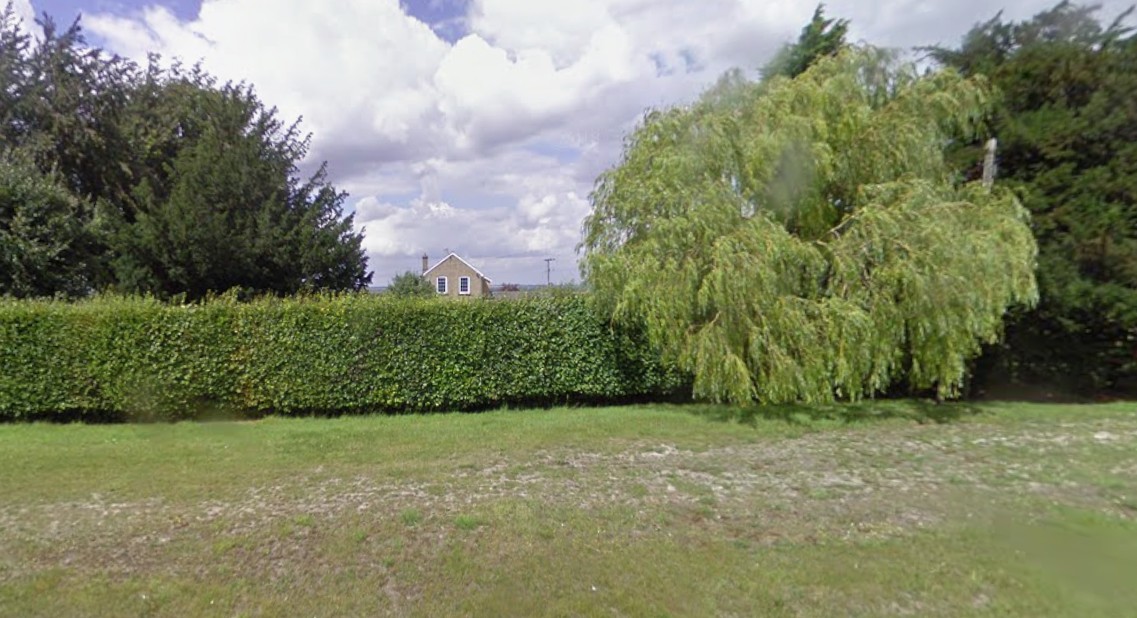
Thrift Cottages from the A505

Thrift Cottages
These two semi-detached red brick cottages built in the 1920s, possibly at the same time and from similar bricks carted from Ashwell railway station, as the two cottages opposite High Farm [Flittons Farm] in Station Road.
Both cottages are still standing and occupied.
Click on any image below to view. Click again to enlarge. Drag to view entire image
Images, Maps and Sale Particulars








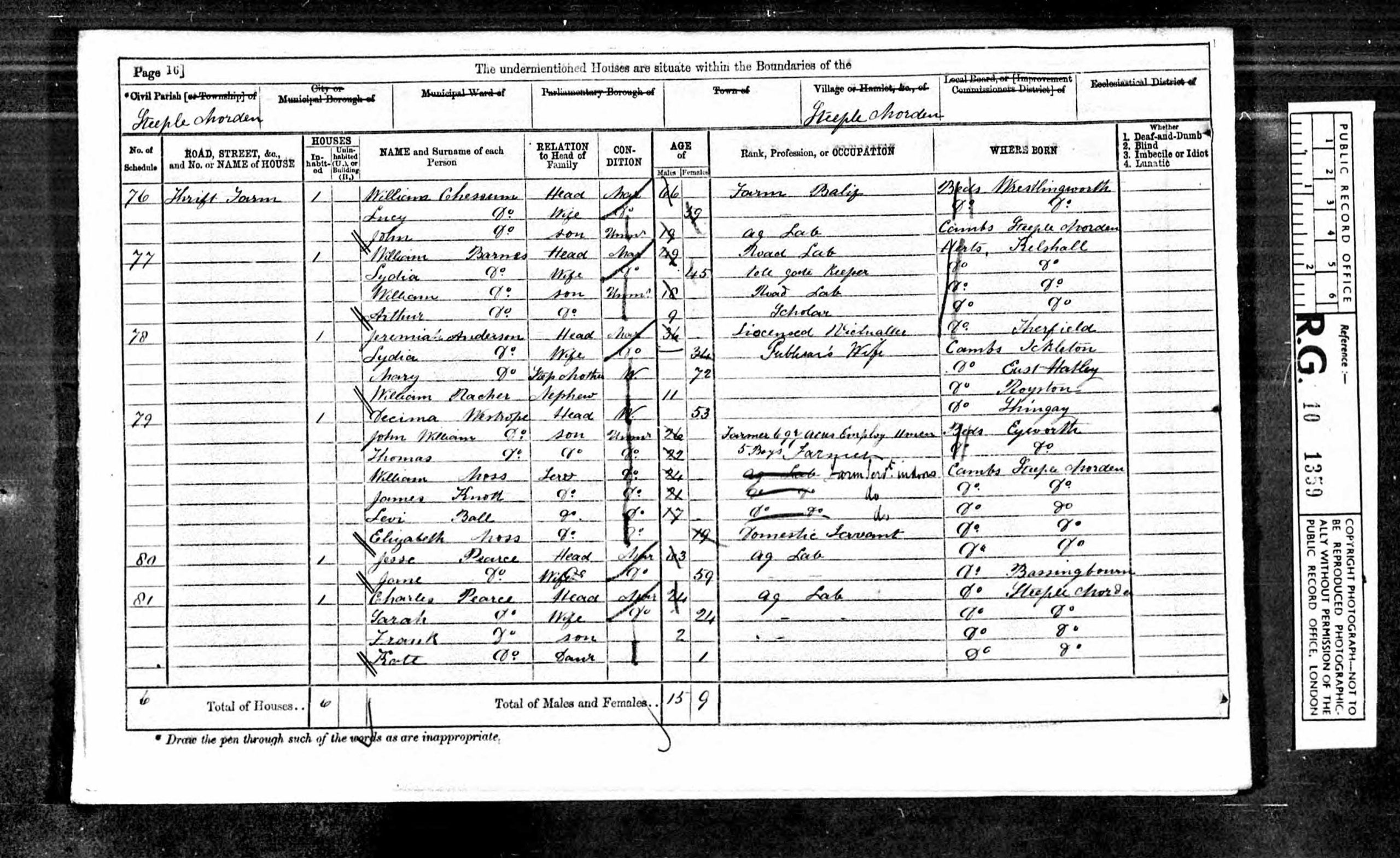
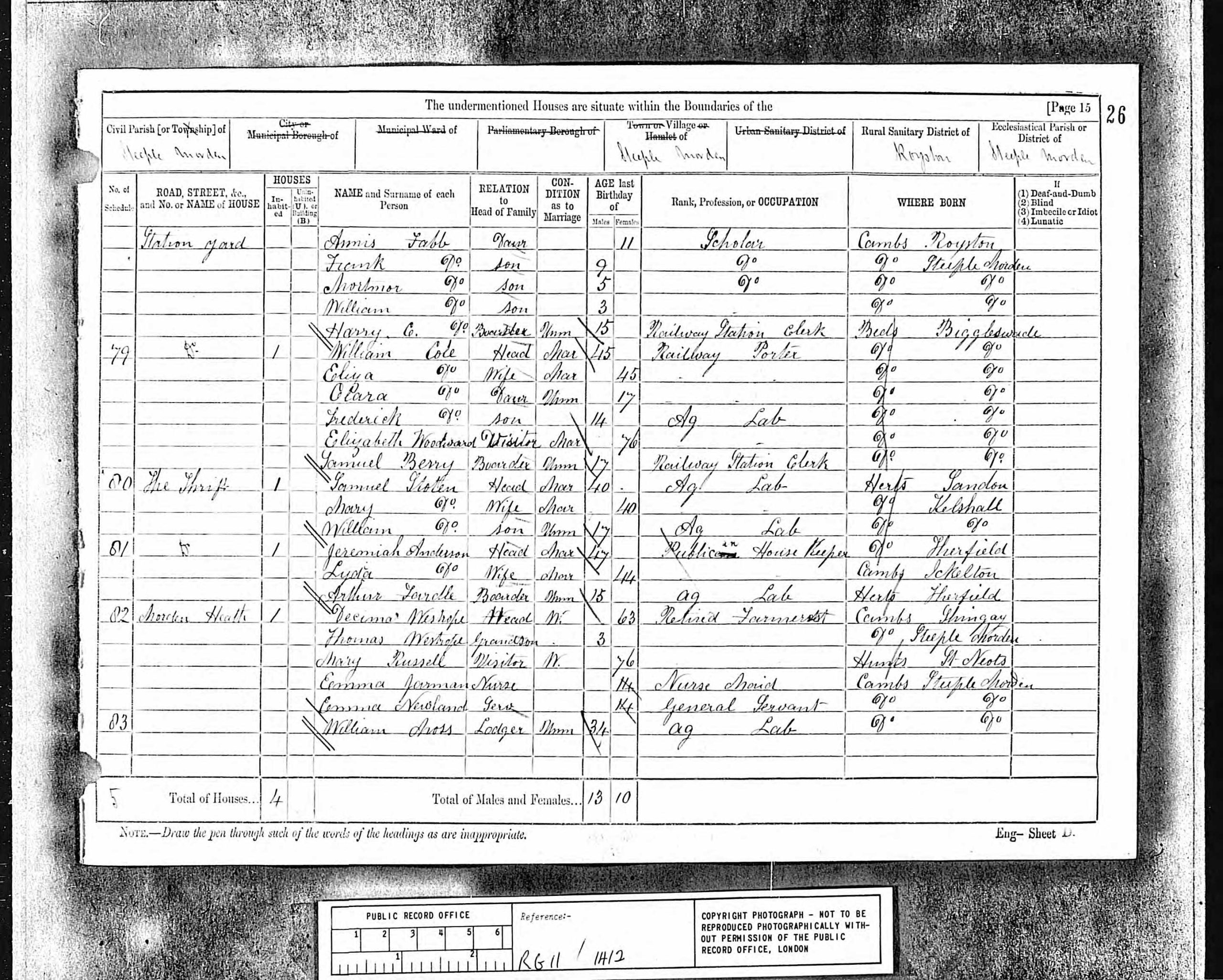
Census






Last Updated on May 11, 2026